
Checkout optimisation is no longer optional for growing retailers
Conversion uplift figures tend to get thrown around loosely in e-commerce, but research tied to real transaction data carries more weight. A study run in partnership between Shopify and BCG puts hard numbers on what many merchants have long suspected: the checkout experience is one of the highest-leverage points in the entire customer journey, yet it remains systematically under-optimised by most retailers.
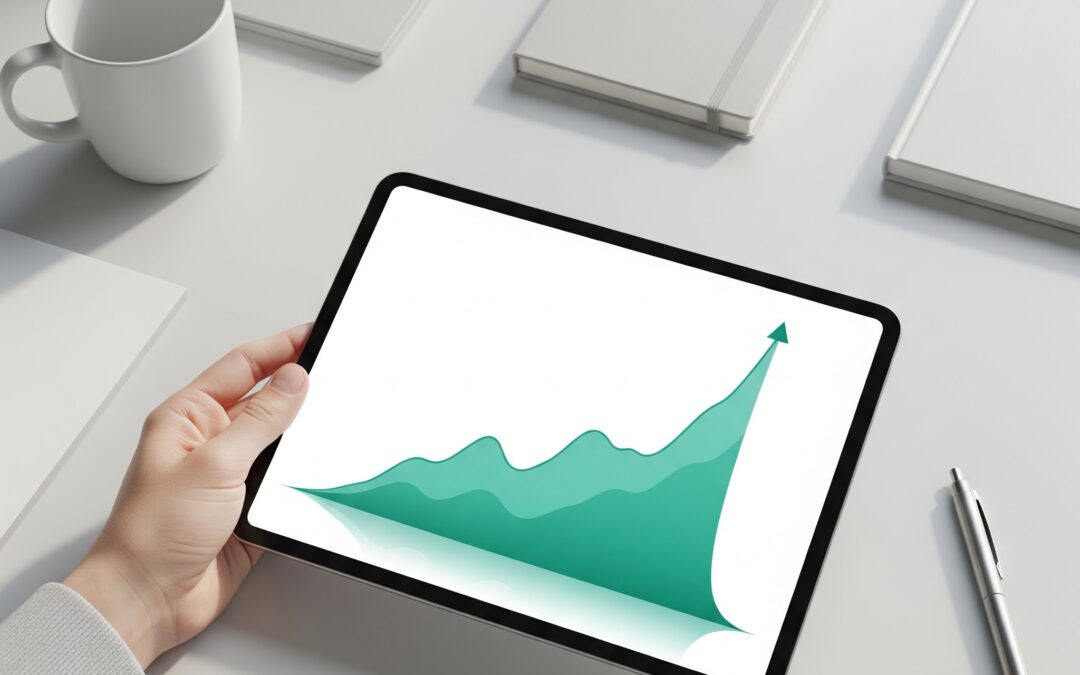
The headline finding is striking. Offering accelerated payment methods such as Shop Pay, Apple Pay, Google Pay and PayPal can drive conversion uplifts of up to 50 percent compared to standard checkout flows. Simplified checkout flows add up to 18.9 percent on top of that. These are not marginal gains. At meaningful monthly volumes, even a fraction of those uplifts translates directly into significant incremental revenue, with no additional spend on acquisition.
The research also surfaces something worth internalising: device type alone accounts for up to 7.7 percent variance in conversion. Given that mobile commerce now dominates traffic in the Benelux market, merchants who have not specifically optimised their checkout for smaller screens are handing conversions to competitors who have.
The underlying argument is structural. As paid media costs continue to rise across Meta and Google, the economics of customer acquisition deteriorate. Every visitor who reaches checkout but fails to complete represents wasted spend that cannot be recovered. Optimising checkout is, in effect, a way to extract more value from the acquisition budget you are already committing.
The practical implication is clear: audit your checkout against each of the five drivers identified here, starting with payment method coverage and flow complexity. Guest checkout, one-page flows, stored credentials and wallet support are not nice-to-haves. They are the baseline expectation of a checkout that converts in 2024.
Source: bcg.com