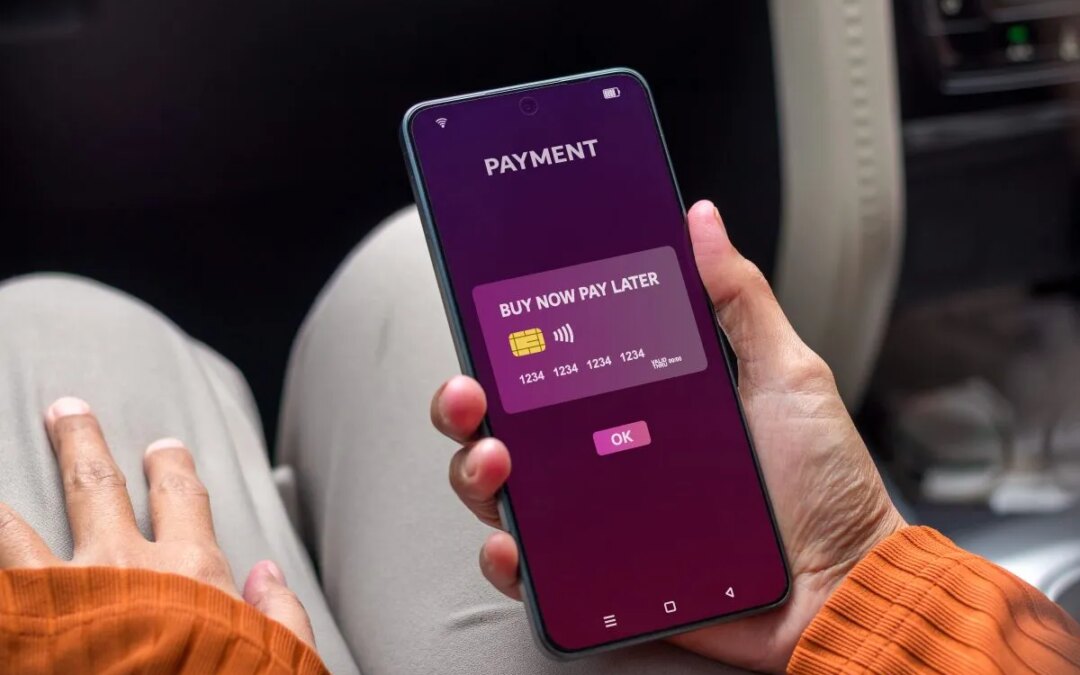
State attorneys general from Connecticut and North Carolina have opened an inquiry into the U.S. buy now, pay later (BNPL) sector, putting the industry’s largest providers on notice.
Led by Connecticut Attorney General William Tong, a seven-state coalition has requested detailed information from Affirm, Afterpay, Klarna, PayPal, Sezzle and Zip about their pricing, underwriting and servicing. The move sharpens state-level scrutiny at a moment when federal oversight of BNPL is receding. It raises the prospect of a more fragmented regulatory landscape for providers, bank partners and merchants.
According to Tong’s office, the letters cited concerns that BNPL lenders may not be assessing repayment capacity or offering credit-card-style dispute protections. Tong’s letter asked each provider to describe their loan products, fees, repayment structures and revenue mix, and to supply consumer contracts, user agreements and disclosures.
States also want internal analyses of delinquencies and defaults, dispute volumes and response times, and details on how returns, non-delivery and other errors are handled. Companies have 30 days to provide data back to January 2023, while the coalition probes underwriting standards, credit-bureau reporting and top-merchant relationships to test compliance with state consumer-protection laws and the financial risks BNPL may pose to residents.
“Buy now, pay later may appear to be a convenient way to afford a purchase, but shoppers need to watch out for debt traps,” Tong said, arguing that the rollback of federal BNPL protections shifts more responsibility to states.
The letter added that “BNPL options are now nearly ubiquitous at online checkout, and tens of millions of consumers report using these loans.” Together, the documents hint at enforcement if lenders cannot demonstrate sound ability-to-repay and dispute-resolution controls.
Advertisement: Scroll to Continue
PYMNTS has been tracking that evolving patchwork. Earlier coverage unpacked the CFPB’s now-rescinded interpretive rule treating pay-in-four BNPL as credit cards under Regulation Z and a trade-group lawsuit challenging its disclosure requirements.
We’ve also highlighted New York’s BNPL licensing framework and a Colorado appeals ruling that makes it easier for states to apply interest-rate caps to bank-partner BNPL models. Taken together with the CFPB’s pause on multiple guidance documents and broader state-level activism, those developments show states and courts filling perceived BNPL oversight gaps.